Picture a simpler time in television history. It was an era when network executives operated on loose budgets, stuntmen risked life and limb for syndication, and comic book adaptations on screen looked less like multi-million dollar cinematic events and more like high school theater projects put on by enthusiastic kids fueled by sugary punch. Into this glorious realm of polyester tights and greasy grease-pencil special effects stepped Nicholas Hammond as Peter Parker in CBS’s The Amazing Spider-Man.

Nearly fifty years later, Hasbro has reached deep into the dusty archives of live-action television history to deliver the Marvel Legends Series Spider-Man ’77 Action Figure. This release is a surreal, beautiful monument to an era when TV web-slingers fought bank robbers in daylight suburban parking garages while wearing homemade costumes featuring massive reflective sunglasses for lenses. Does this vintage television deep cut deserve a prime piece of real estate on your crowded shelves, or is it just another plastic oddity destined for the clearance aisle? Let’s grab our vintage cameras, adjust our rabbit-ear antennas, and find out whether this figure captures the magic of 70s television or just reminds us why some things should stay buried in the vault. Stan Lee himself was famously vocal about the live-action show. While he loved seeing Spider-Man hit prime-time television, he occasionally ribbed the production’s modest financial constraints, noting that the live-action hero looked more like a local stuntman at a used car dealership grand opening than a high-flying Marvel icon. Outside the US, pilot episodes of the CBS show were even edited together and released theatrically as international feature films by Columbia Pictures, meaning global audiences often experienced their first live-action wall-crawler on a big screen with cinema popcorn.

Packaging
Hasbro knows exactly how to weaponize nostalgia against aging collectors with disposable income. The packaging for the Spider-Man ’77 figure leans heavily into the throwback aesthetic of late-seventies toy aisles and vintage Marvel branding. Featuring period-accurate graphics, distressed typography, and promotional photo layouts straight off a CRT television screen, looking at this box on a wall feels like stumbling into an abandoned department store in 1978 right before your mom drags you away to the shoe department.


The open-window design gives you a crystal-clear view of the plastic inside, letting you inspect the paint applications before laying down your hard-earned cash. Flipping the box around reveals retro-styled copy that practically begs you to dig out a cassette tape and plug a pair of headphones into your stereo. It is charming, entirely self-aware, and sets the stage for the wonderfully goofy piece of pop culture history trapped inside the plastic bubble.
Sculpt and Fidelity to Source Material: The Budget-Suit Renaissance
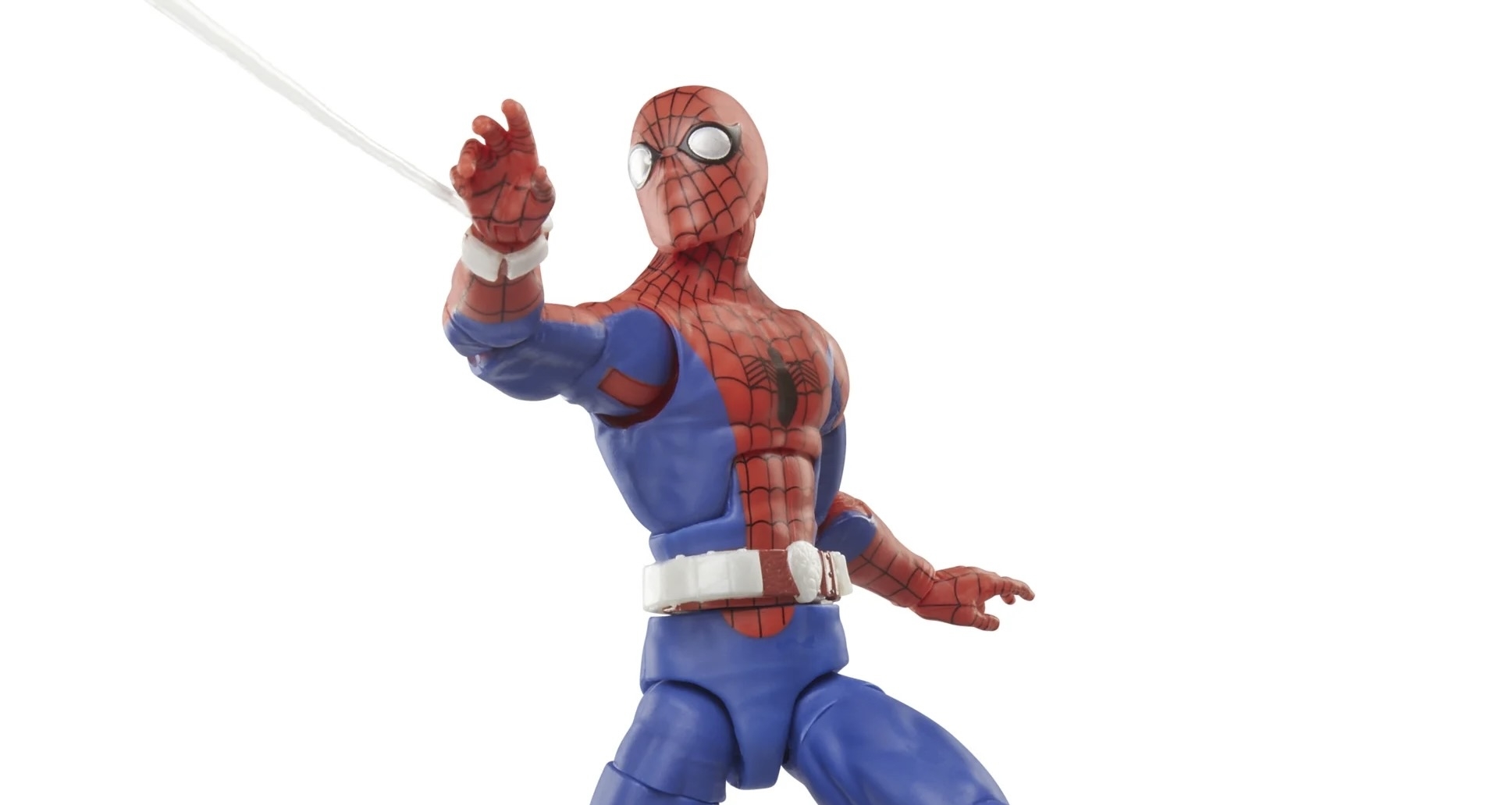
To truly appreciate this sculpt, you have to embrace the beautiful disaster that was the 1977 television costume. Nicholas Hammond’s suit was famous for a few glaring production quirks: massive mirror-lens sunglasses glued directly onto a cloth mask, thick hand-drawn web lines that looked like someone went wild with a waterproof marker after lunch, and external silver wrist bracers strapped awkwardly over the outside of the red gloves because hiding them under costume sleeves was apparently too high-tech for 1970s network budgets.

Hasbro’s sculpting team captured these glorious production limitations with frightening accuracy. The mask features those iconic, gigantic silver-framed lenses, capturing that distinct, slightly cross-eyed look of a stuntman sweating under hot studio lights. The subtle fabric-like weave simulation textured across the mask elevates it past a cheap, smooth plastic dome, while the body utilizes a classic retro-proportioned pinless buck that trades hyper-shredded comic book muscles for the charmingly unathletic realism of a guy trying his absolute hardest during a choreographed warehouse fight scene.
Paint Applications: Spot-On Retro Accuracy
Paint can easily make or break a vintage-inspired piece, especially when dealing with the high-contrast primary red and blue palette of a classic superhero suit. The shade of blue chosen for the limbs and waist is a flat, matte navy that screams 1970s television color grading. It completely avoids the hyper-saturated electric blue of modern comic runs, instead looking like it was washed in a standard Maytag machine with hot water and heavy detergent a few dozen times.

The black ink wash and line work inside the raised webbing are surprisingly crisp, showing minimal slop bleeding over into the surrounding red fields. Even the iconic back spider emblem is rendered as a chunky, slightly awkward little bug—just like the iron-on decal used on the actual television costume, capturing that endearing low-budget charm with precision.
Articulation:
If you expect this figure to pull off hyper-articulated modern poses like a contemporary anime import or a top-tier comic book release, you will need to adjust your expectations much like viewers had to adjust their TV rabbit-ear antennas back in the day. You do get standard Marvel Legends butterfly shoulders—a welcome modern inclusion that saves the figure from total archaic damnation—alongside a diaphragm cut and double-jointed elbows. However, because the suit design features those bulky external silver web-shooter bracers molded right onto the wrists, your wrist rotation and hinge movement are noticeably restricted.

Drop-down hips and pinless double-jointed knees allow for decent standing stability down below. The ankles feature a healthy rocker range, which comes in handy because standing this television Spidey next to your modern comic figures highlights just how rigid and grounded he looks compared to a high-flying acrobat. He looks less like an apex predator and more like a guy bracing himself for a foam brick thrown by a frustrated grip.
Accessories: Keeping it Simple
The accessories included in this package fit the modest vibe of the television show. You get a pair of classic web-slinging wall-crawling hands alongside standard fists, keeping the loadout streamlined.

Noticeably absent is an unmasked Nicholas Hammond head sculpt, which will likely sting hardcore fans of the show who wanted to display Peter Parker looking perpetually stressed about his freelance photography gig at the Daily Bugle. Even without extra head options, what is included gets the job done cleanly without inflating the retail price with a mountain of plastic web effects you would likely just lose in your couch cushions.

If you collect live-action cinematic and television Marvel Legends—such as figures from the MCU Disney+ series or historical cinematic eras—this Spider-Man ’77 is a mandatory holy grail oddity. Compared to high-end comic book releases, it lacks the extreme dynamic range of modern Spider-Man molds. Compared to the Japanese Toei Supaidaman from a similar era, it represents an entirely different universe of American television charm. It is clunky, historic, and wears its production limitations like an absolute badge of honor. The Hasbro Marvel Legends Series Spider-Man ’77 Action Figure is not trying to be the definitive, hyper-articulated comic book Spider-Man for your main shelf display. It is a targeted, high-concept love letter to a weird, wonderful, forgotten era of Marvel history. If you love pop culture deep cuts, own every iteration of live-action Spider-Man media, or simply want a figure that will make your non-collector friends stare blankly and ask questions about your sanity, this release is an absolute must-own. If you strictly collect modern comic aesthetics or demand butterfly joints that can bend into pretzels, you can safely pass. For the rest of us glorious weirdos, this is a wildly fun piece of plastic history that deserves a spot right next to your retro VHS tapes.

Leave a Reply