
Fallout’s world has always been defined by the tension between utopian promise and apocalyptic consequence, and the T‑60 is the perfect embodiment of that contradiction. It is a monument to a civilization that believed salvation could be engineered, mass‑produced, and deployed like any other military asset. It is also a tombstone for that same civilization, a rusted steel reminder of how quickly hope can curdle into hubris. This is the T‑60 as it was meant to be seen — towering, weathered, mythic — and Threezero has given it the reverence it deserves.


From the moment you unbox it, the sculpt commands attention. Threezero has always excelled at industrial design, but the T‑60 feels like a culmination of everything the studio has learned about translating digital assets into physical form. The helmet alone is a triumph — the knight‑visor faceplate is sharply defined, the respirator vents are perfectly beveled, and the subtle curvature around the brow mirrors the in‑game model with uncanny precision. It nails the tone of Fallout’s power armor: not sleek sci‑fi, not pulp superhero, but heavy, ugly‑beautiful war tech repurposed by zealots and mercs. It’s the exact kind of machine you’d both admire and fear if it clanked past you on a Boston street. It gives you one of the most faithful, imposing, and thoughtfully engineered representations of Fallout’s power armor available in the collectible landscape.

The T‑60 is a tank on legs, and Threezero’s articulation system respects that. The figure uses a fully articulated endoskeleton, onto which the armor plates attach. This allows for a surprising range of motion without compromising the bulk of the suit. Articulation is often the Achilles’ heel of bulky armored figures, but Threezero’s engineering is surprisingly elegant. The T‑60 uses a fully articulated endoskeleton beneath the armor plates, allowing for a range of motion that feels almost impossible given the suit’s size. The shoulders rotate smoothly, the elbows bend deeply without breaking the silhouette, and the articulated fingers allow for expressive posing. The hips and knees use strong ratchets that support the figure’s weight, while the ankle joints provide enough flexibility for wide, stable stances. The result is a figure that can achieve heroic power poses, rifle‑ready aiming stances, and even cautious, exploratory steps — all without compromising the armor’s bulk. For fans who appreciate articulation engineering, the T‑60 is one of the most satisfying power armor bodies ever produced.
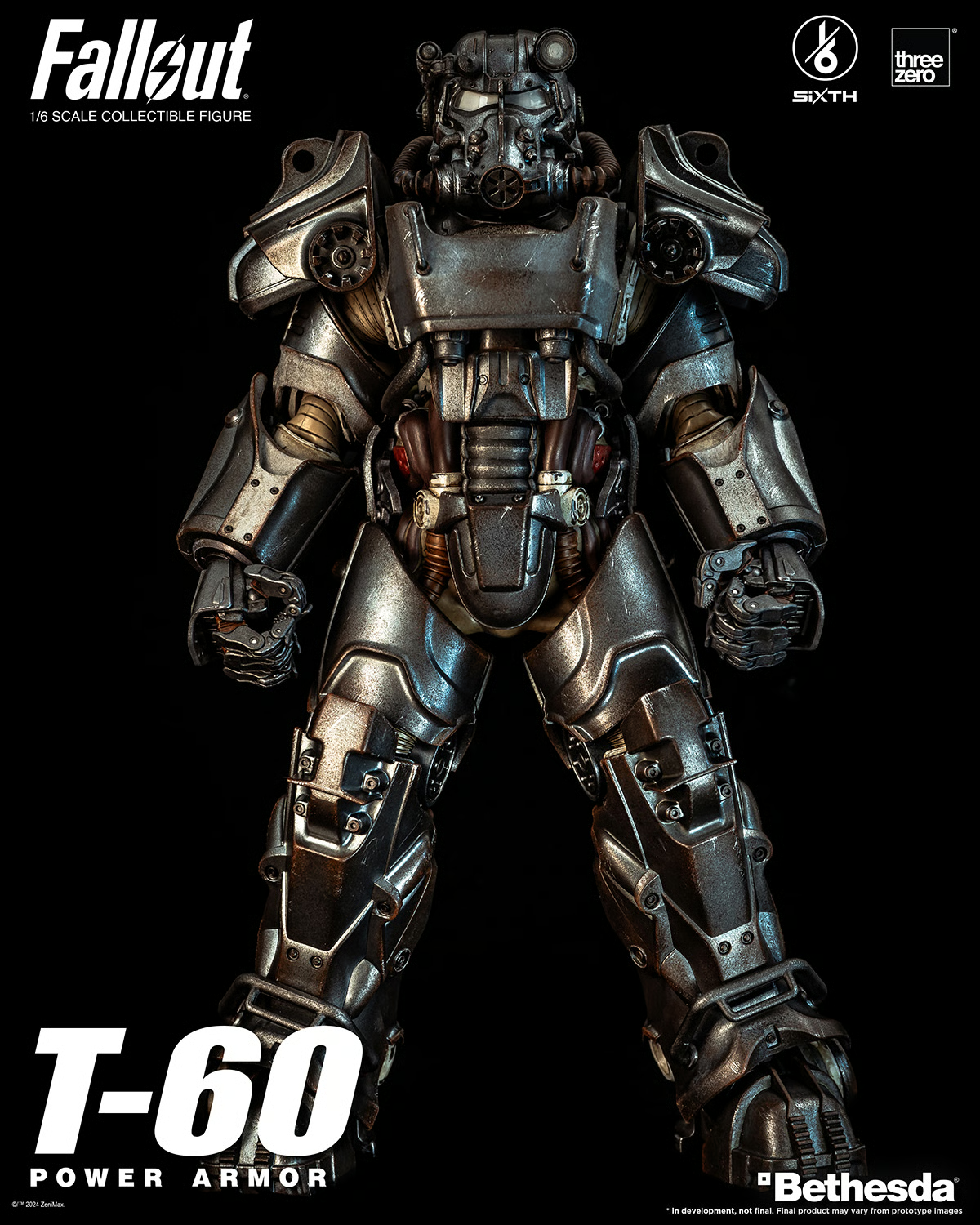
When compared to other Fallout figures, the T‑60 occupies a sweet spot. The T‑45 is bulkier and more industrial, while the T‑51 is cleaner and more iconic. The T‑60, however, strikes a balance between aggression and refinement. Gaming Heads statues offer larger, more stylized interpretations, but they lack articulation. NECA’s Fallout figures are more affordable but nowhere near this level of detail. Threezero’s T‑60 stands as the definitive articulated version of the armor — a centerpiece for any Fallout collection.


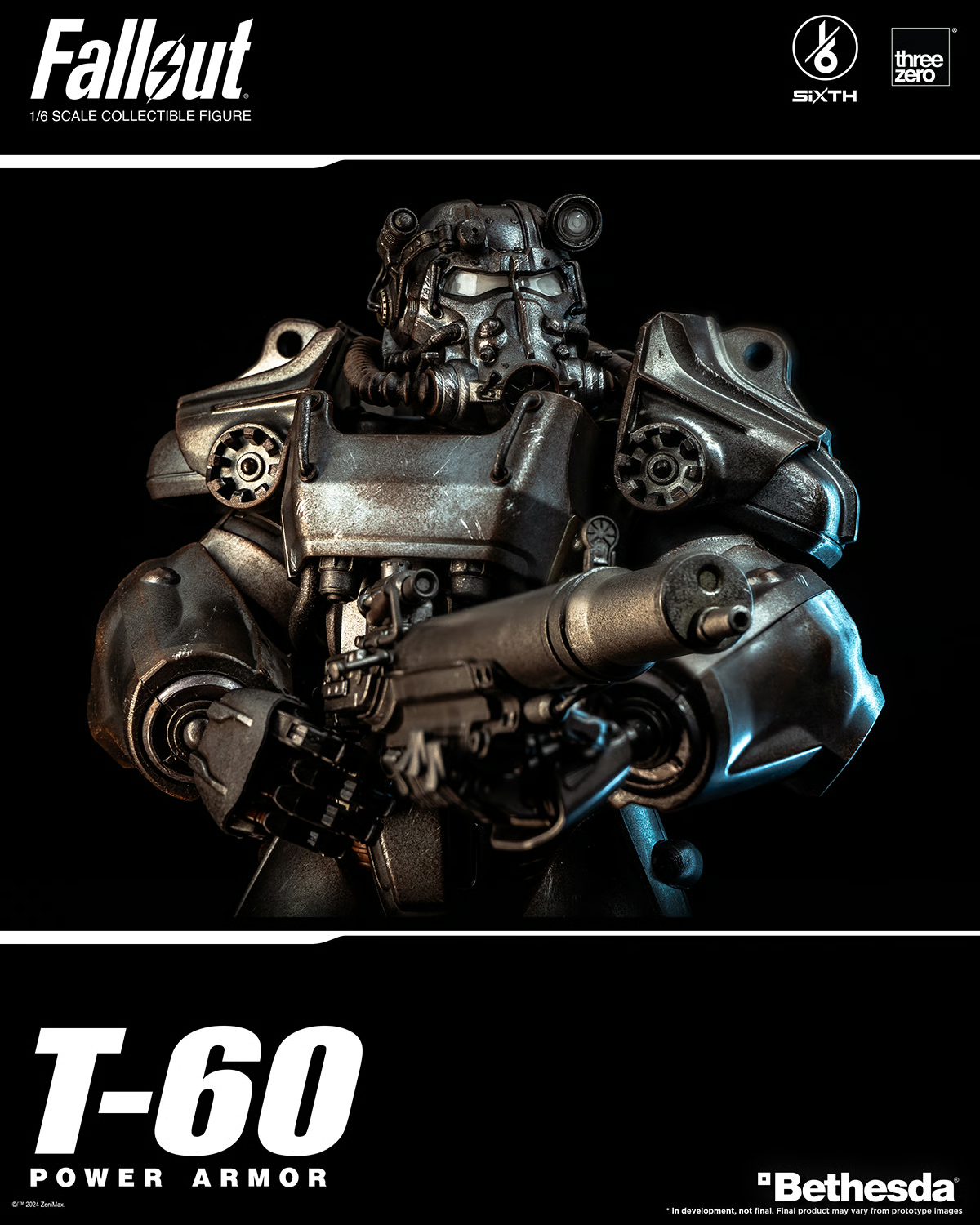
The multi-layered paint application and weathering effects are doing real work here, softening the edges, dirtying the seams, and suggesting a battlefield life instead of a showroom fantasy. Scratches are not randomly distributed but are instead concentrated around areas of logical wear—edges, joints, and protruding surfaces that would realistically come into contact with the environment. The base metallic tones are intentionally uneven, incorporating subtle variations that mimic the way real metal surfaces interact with light and wear over time.
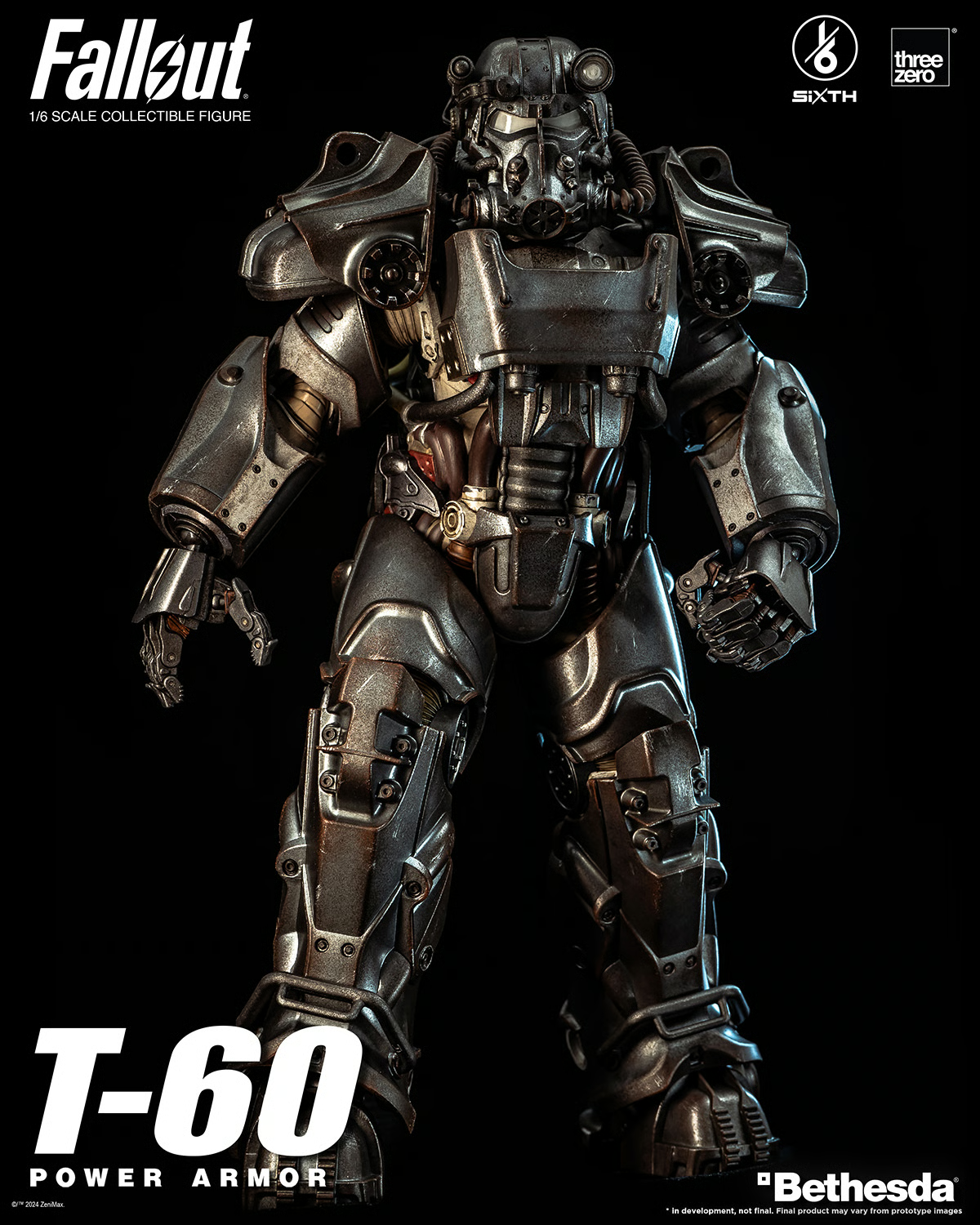
The figure is laced with silver wear on edges, ridges, and contact points where metal would realistically get chewed up—knees, shins, shoulder edges, chest corners, and gauntlets. Panel recesses, vent grills, and bolt lines have dark washes that simulate built‑up filth and oil. Some areas show subdued rust tones, but not so much that it looks unserviceable. This is crucial: Brotherhood armor should look maintained, not abandoned. Faction insignias, warning stencils, and unit markings (if present on the specific edition) are crisp and integrated, not floating stickers.
This is not a uniform silver or gunmetal finish; it is a layered composition of hues that shift between cooler and warmer tones depending on the angle and lighting conditions. Rust and grime are integrated into the paint scheme with similar care. Subtle streaks of darker pigment run along recessed areas, implying the accumulation of dirt and moisture, while small patches of rust introduce color variation that breaks up the otherwise monochromatic palette. The finish matters especially on Fallout armor, because Fallout is a franchise that understands decay as an aesthetic language. You want metal that looks used, stressed, and a little cursed, not something that belongs in a sterile display cabinet lit like a luxury watch ad. The T-60’s weathering helps sell that postwar, post-patent, post-civilization mood better than a shiny finish ever could.

The sculpt is where the figure begins to assert its authority. Every panel, rivet, and seam has been realized with an almost obsessive attention to detail, yet it avoids the trap of over-definition that can sometimes plague highly detailed collectibles. Instead of exaggerating edges or deepening lines for visual impact, the sculpt maintains a sense of scale realism, where details feel appropriately sized relative to the figure as a whole. The chest plate, with its layered armor segments and recessed mechanical components, conveys both protection and complexity, while the helmet—arguably the most iconic element of the T-60 design—captures the distinctive silhouette with a precision that feels lifted directly from in-game assets. The curvature of the dome, the placement of the air intake vents, and the framing of the eye lenses all contribute to a form that is instantly recognizable yet materially grounded.

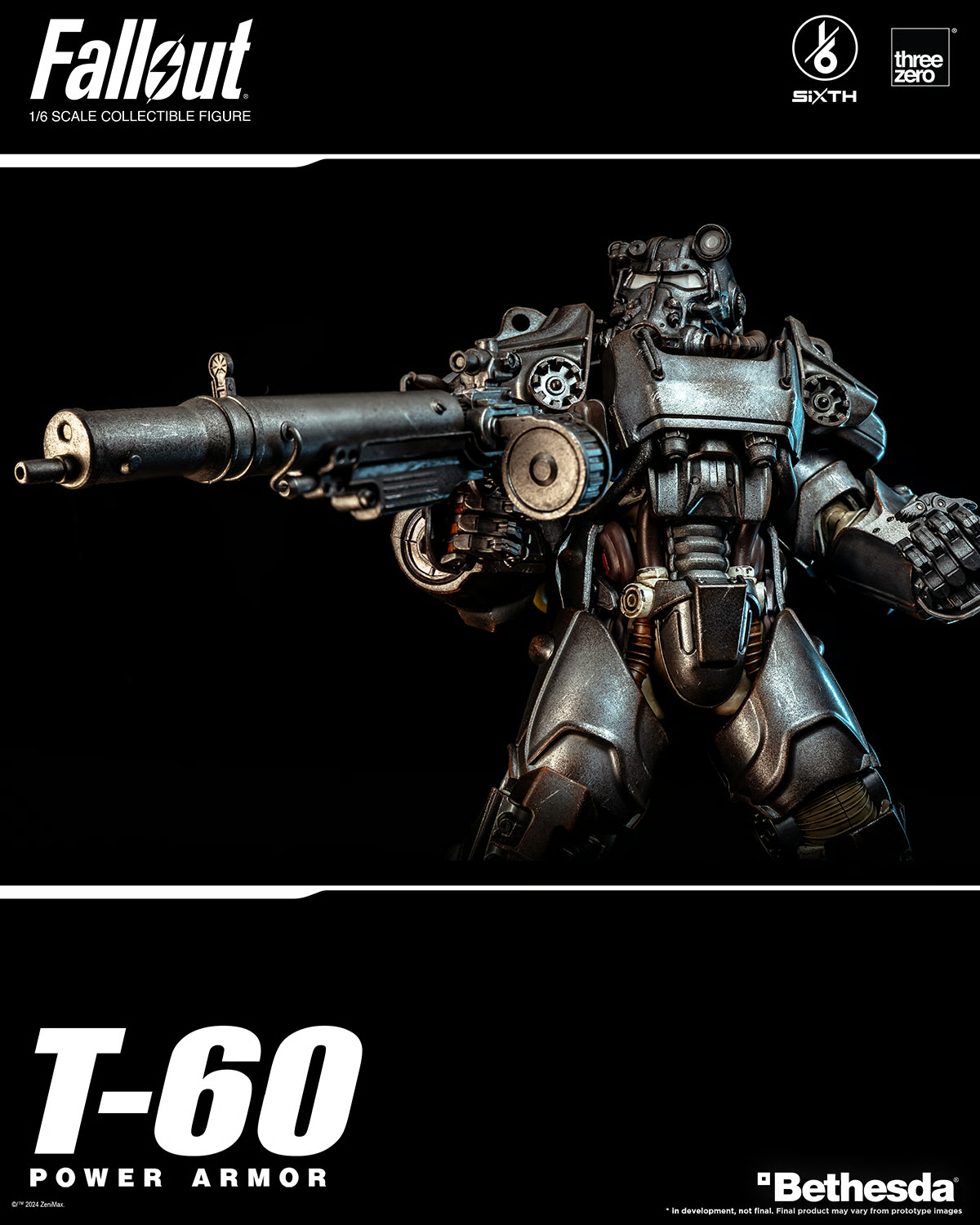
The accessory loadout is focused but meaningful. The AER9 Laser Rifle is a standout piece, featuring multi‑tone paint, subtle weathering, and crisp sculpted wiring that mirrors the high‑poly Fallout 4 model. Interchangeable hands allow for relaxed, gripping, and trigger poses, giving the figure a surprising amount of emotional range despite its mechanical nature. The removable armor plates — attached via magnets — reveal the fully painted endoskeleton beneath, a feature that hardcore fans adore. It’s rare to see this level of detail on parts of a figure that are technically “hidden,” but Threezero’s commitment to authenticity shines through.

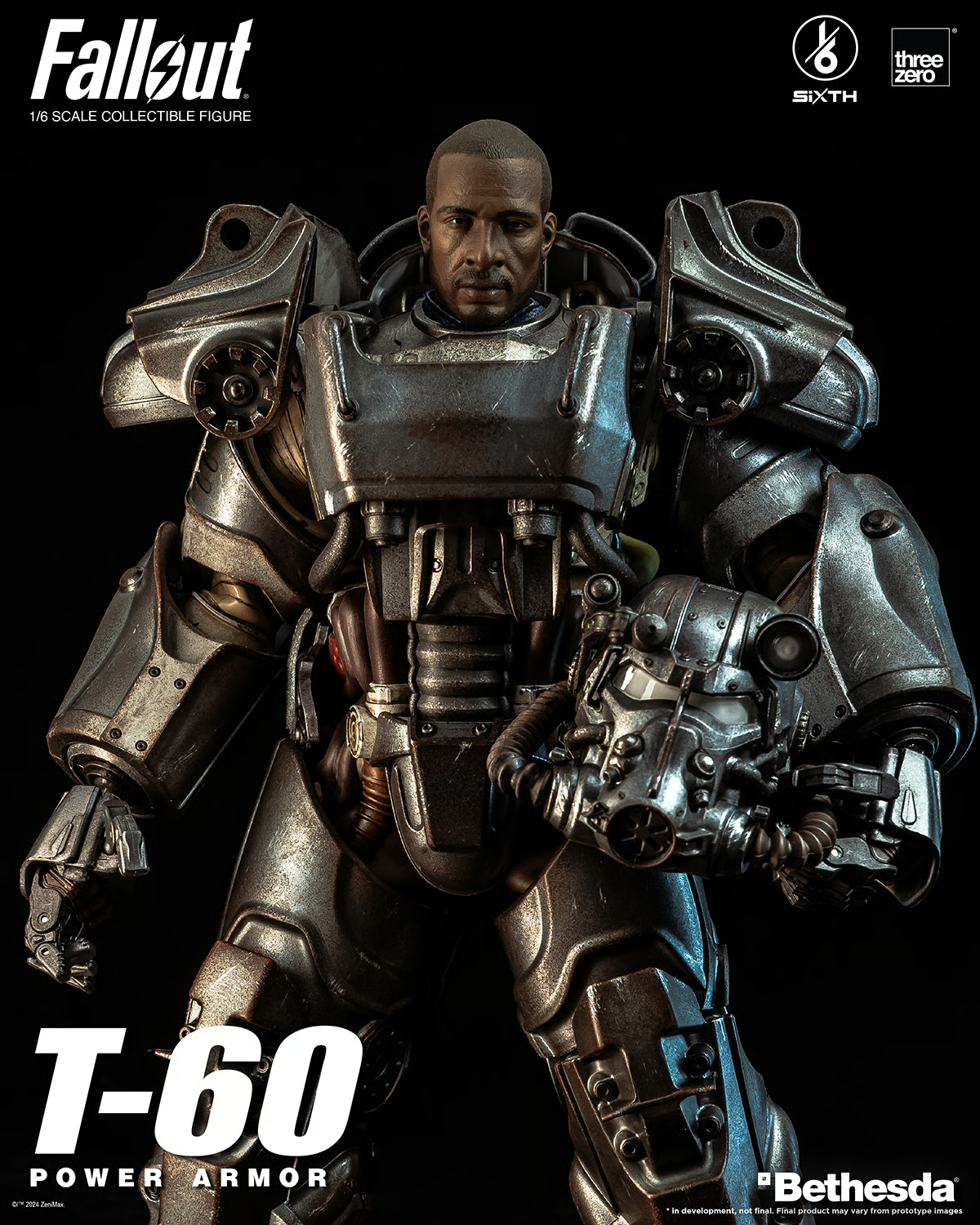
A clever touch—and one that hardcore collectors love—is the presence of a full, articulated body inside the armor. This isn’t just a hollow mannequin; it’s a soldier-sized figure in its own right. You can display the armor as a shell, with the pilot standing next to it, which is wildly lore‑accurate. It sells the fantasy that this is a wearable machine, not a robot. Fallout has always hammered home that power armor is gear, not a character. It adds structural integrity. An internal body spreads load and helps keep heavy armor parts from warping or sagging. The downside is that fully assembling and disassembling a modular armor system can be fiddly. If you’re the kind of collector who flinches at swapping a head sculpt, the idea of removing entire limb plates may cause a mild existential crisis. But if you enjoy “suiting up” your figures, it’s half the fun.

The helmet features a functional LED light‑up system. The LEDs illuminate the eye lenses, creating that eerie powered‑up look. The T‑60’s LED setup is functional and looks fantastic in low light, but you’ll likely leave it off most of the time to avoid burning through batteries. This effect is not overly bright or distracting; instead, it functions as a focal point, anchoring the viewer’s attention and reinforcing the sense that this is a powered, functional piece of equipment. In low-light conditions, the LED can dramatically alter the figure’s presence, shifting it from a static display piece to something that feels almost alive.
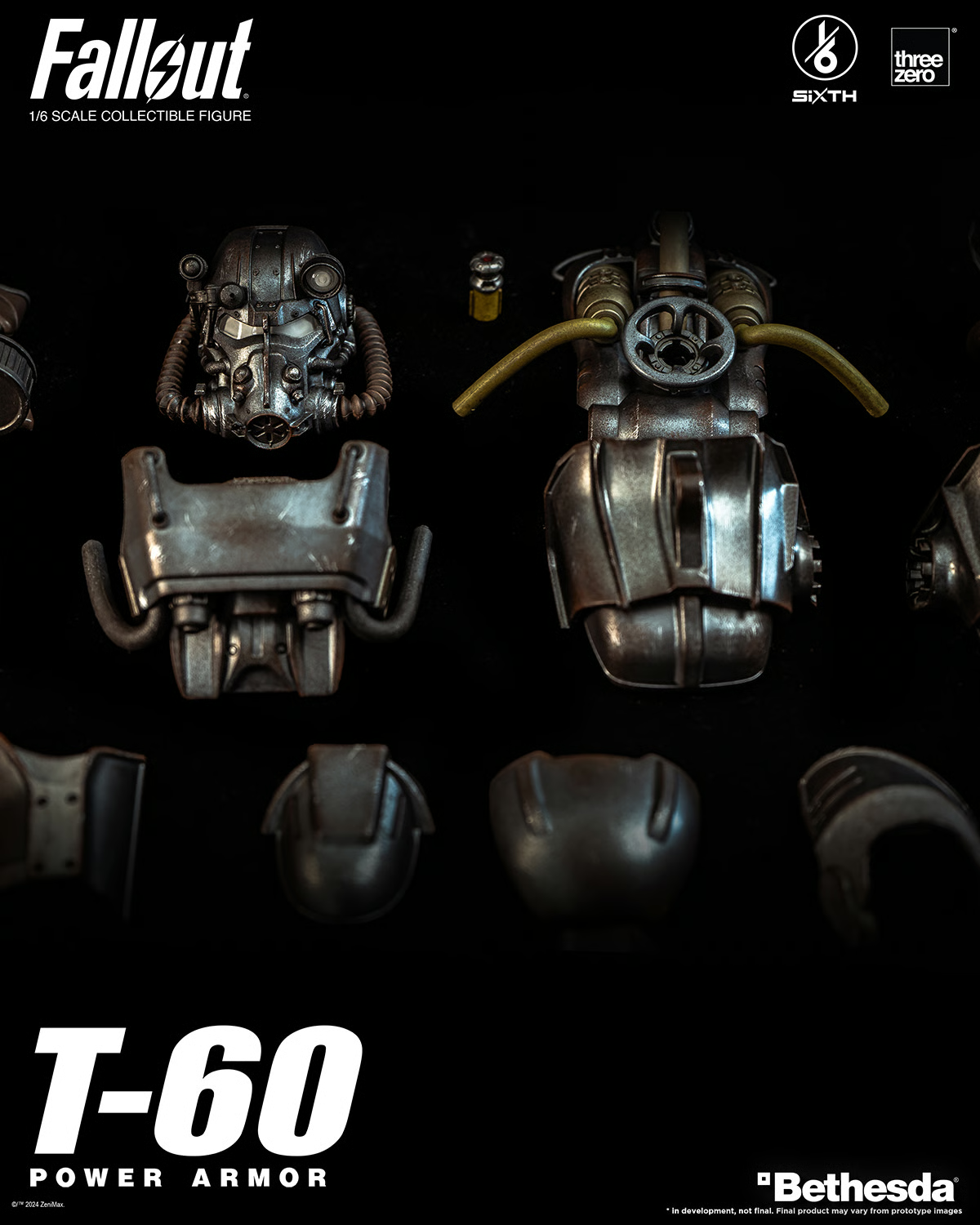
This is the sort of figure that rewards a deliberate display setup. The power armor silhouette wants space, height, and a little dramatic isolation, because crowding it beside smaller figures will only make them look like they wandered into the wrong cinematic universe. The T-60 works best as a centerpiece, especially with lighting that picks up the weathering and the contours of the chest, pauldrons, and helmet.
Threezero has tackled multiple power armor variants (T‑45, T‑51, X‑01, etc.) with similar engineering: an articulated endoskeleton, removable armor, and heavy weathering. The T‑60 stands out because:
• It’s one of the most widely used armor types in Fallout 4 and is heavily associated with the Brotherhood of Steel, making it a “default” mental image for power armor.
• The sculpt feels slightly more refined than their earliest power armor releases, benefiting from years of iteration on the basic body.
• Interchangeable armor means you can build an entire little “armor bay” lineup and swap parts between suits to recreate in‑game Frankenstein builds.

In the end, the Threezero Fallout 1/6 T‑60 Power Armor (Standard Edition) is a triumph of sculpting, painting, engineering, and world‑building. It captures the essence of Fallout’s universe with a level of craftsmanship that borders on reverence. It’s not just a figure — it’s a physical embodiment of the Commonwealth’s history, a steel‑plated monument to a world that fell apart and kept going anyway. For collectors, it’s a masterpiece. For Fallout fans, it’s essential. And for anyone who appreciates premium 1/6 engineering, it’s one of the finest armored figures ever produced. If you want only one Threezero suit, the T‑60 is arguably the best all‑round choice: iconic, versatile, and technically refined.

Leave a Reply